Quantum computing is rapidly progressing from theoretical promise to practical implementation, offering significant computational advantages for tasks in optimization, simulation, cryptography, and machine learning. However, its integration into real-world software systems remains constrained by hardware fragility, platform heterogeneity, and the absence of robust software engineering practices. This article introduces Service-Oriented Quantum (SOQ), a novel paradigm that reimagines quantum software systems through the lens of classical service-oriented computing. Unlike prior approaches such as Quantum Service-Oriented Computing (QSOC), which treat quantum capabilities as auxiliary components within classical systems, SOQ positions quantum services as autonomous, composable, and interoperable entities. We define the foundational principles of SOQ, propose a layered technology stack to support its realization, a reference architecture for defining quantum services based on the good implementation of a classical service, and identify the key research and engineering challenges that must be addressed, including interoperability, hybridity, pricing models, service abstractions, and workforce development.
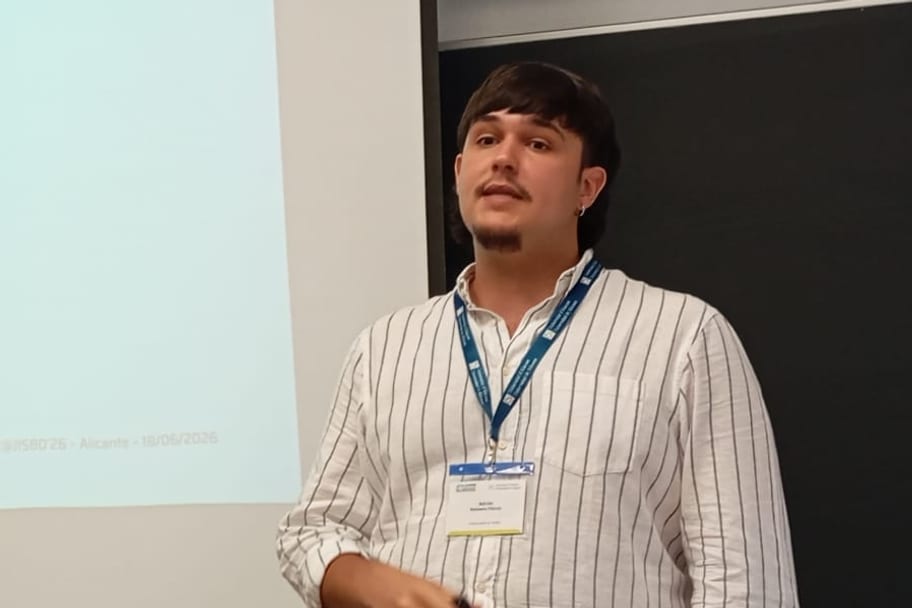
PhD student at the University of Seville. I work on what software engineering should look like for quantum computing — not reinvented, just applied properly.
› Quantum software engineering
selected publications all publications →
-
Jose Garcia-Alonso, Enrique Moguel, Jaime Alvarado-Valiente, …, , et al. . Rethinking Services in the Quantum Age: The SOQ Paradigm. ACM Transactions on Software Engineering and Methodology (TOSEM), vol. 35 journal